Athletes First Expands Into NBA and NIL Representation as Agencies Reach Players Earlier
Why Athletes First is entering basketball now
Athletes First has spent decades building its name in football representation. Its NBA expansion is a calculated test of whether that expertise can travel across sports—and the timing reflects a change in how early agencies can build relationships with athletes. That’s a meaningful change in the business: representation can begin before a player is close to a professional contract, giving an agency more time to show families what it can do. The trade-off is that early relationships take time to develop, and they don’t guarantee that a young athlete will eventually become a professional client.
Founded in 2001, Athletes First represents prominent NFL players including Ravens running back Derrick Henry and Cowboys quarterback Dak Prescott. David Mulugheta, the firm’s president of team sports, ranked as the top NFL agent on Forbes’ 2025 Most Powerful Sports Agents list. The company is now creating a basketball division, bringing in industry veterans John Noonan and Brandon James to develop its NBA and name, image and likeness (NIL) work. Those hires give the effort experienced leadership, but a new division still has to earn credibility with athletes, families and the wider basketball community. A strong record in football may open doors; it won’t, by itself, answer how the firm will compete for basketball clients.
Mulugheta has been with the firm for 18 years, starting as an intern in 2008. His early assignments were the unglamorous ones—printing and binding materials, handling lunch orders and picking up dry cleaning—while he looked for ways to become indispensable. That career arc gives his explanation for the expansion some weight: Athletes First says it has considered basketball before, but waited until the right people and cultural fit came together. The emphasis on fit suggests the firm sees the move as a relationship business that depends on trust and judgment, rather than a simple extension of its brand. It also leaves a practical question: how will the new team turn that stated fit into a distinct service for basketball clients?
The firm’s diversification has already included NFL coaches, front office executives and college coaches, as well as broadcasters. Agent Scott Gaffield also represents college basketball coaches. Mulugheta describes the new division as another extension of the same representation business, built around making athletes’ lives easier away from competition and helping them benefit from the work and sacrifice that got them there. That logic is plausible, though the interview offers little detail on how the basketball operation will differ in practice. “Making life easier” can cover a wide range of services, from career decisions to managing day-to-day demands, and families will need to understand what the agency actually provides. The central test is whether Athletes First can make that broad promise specific to the needs of basketball players.
NIL moves the relationship earlier
The bigger shift is when agencies can begin working with athletes. Mulugheta says that when he entered the business, representatives couldn’t speak with student athletes until they were three years out of high school. NIL has changed that, allowing firms to sign much younger clients and build trust with athletes and their families well before a professional career begins. This gives agencies a longer period in which to advise, but it also changes the nature of the relationship: parents and young athletes are making decisions at a stage when professional prospects may still be uncertain. That means early representation has to provide value in the present, not just promise help later.
That creates a different job. With clients as young as 15, 16 or 17, agents work more closely with parents and can teach habits around training, professional conduct and money before major contracts arrive. Mulugheta says young athletes can learn how spending and taxes work while they still have time to practice those decisions. The long runway could help, but the interview doesn’t establish how consistently that early guidance translates into lasting financial discipline. Money lessons are only one part of the equation: young clients also need help weighing opportunities and understanding the commitments attached to them. And this is the part most people overlook: advice offered early may be useful even if a player’s eventual career path changes, but the agency’s relationship and responsibilities have to make sense at each stage.
For Athletes First, earlier access also changes the cost of entering basketball. The agency can establish relationships sooner and demonstrate its value to families earlier in a player’s development. Mulugheta also points to the NBA’s global reach as a distinct opportunity alongside football’s strength in the United States. Here’s the point: the expansion depends less on copying a football roster strategy than on applying the firm’s client service model in a sport where the route to a professional career has shifted. If you’re working in this space, the early relationship is a chance to build trust, but it also puts more weight on clear communication with families who may be navigating NIL for the first time.
What the expansion will need to prove
This is more significant than it looks because the firm is testing two things at once: whether its service approach can cross from football into basketball, and whether earlier access can become a durable client relationship. The first test is operational. Basketball representation has its own relationships, expectations and career pathways, so a firm entering the sport needs people who understand those specifics. Hiring Noonan and James addresses the need for basketball experience at the outset; the interview doesn’t yet show how the division will organize its work or distinguish its offer.
The second test is patience. NIL makes it possible to begin building relationships earlier, but that doesn’t mean every early connection will lead to a long-term professional partnership. A client service model has to work for athletes and families before a major playing contract is in view. That’s where the firm’s emphasis on education and support could matter, provided it translates into clear, useful guidance rather than a general promise. The numbers here are underwhelming in one sense: the interview gives readers little detail with which to assess the basketball operation’s scale or early results.
For now, Athletes First is making a case for why it believes the move fits its existing business. Its football experience, established representation work across other fields and new basketball hires offer a foundation. They don’t settle the question of whether the firm can build a lasting NBA presence. The answer will depend on what the division delivers to clients over time—and whether families see a concrete benefit from getting to know the agency earlier.
Related: NFL Greats, Top CEOs Share the Truth About What It Takes to Win
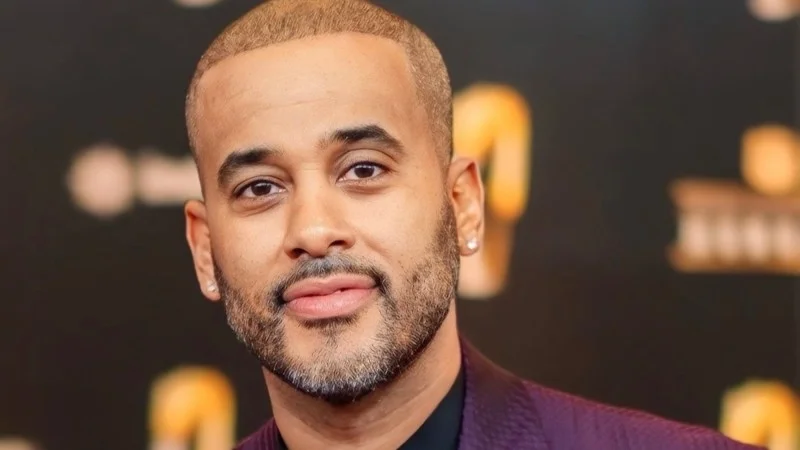
Athletes First