Commercial Building Cleaning Schedules: How Often to Clean Shared Spaces
|5 min read
Shared spaces shape the first impression
Clean common areas do more than make a commercial building look presentable. They can help protect employee health, reduce accident risks and support morale, though those benefits depend on a routine that fits the building rather than a checklist copied from somewhere else. The frequency depends on how the building is used: foot traffic, hygiene and operational needs, and the building’s size all matter. A schedule that works for a small office may leave a busy reception area or shared washroom short of attention.
Entrances, kitchens, breakrooms and shared washrooms need close attention because people use them throughout the day and their condition can change quickly. In-house janitors should handle routine upkeep, with professional providers available for tasks such as carpet care, hard floor maintenance and food service sanitation. For property management,
commercial cleaning services can cover those specialized needs. The division of work should be clear: routine checks need an owner, and specialist jobs need to appear in the plan rather than being left to memory.
Daily attention, with extra checks for busy areas
Once a day is a reasonable baseline for common areas, but it’s only a starting point. Spaces with heavier use may need cleaning several times daily, so a fixed schedule should leave room for conditions on the ground. A floor that looks acceptable before opening can become slippery or visibly dirty after a busy period; the right response depends on what staff see, not just what the calendar says.
The entrance and reception area deserves particular attention. It often gets the most foot traffic and is where customers form their first impression. Dirt and dust build up quickly there; a full cleaning may not be practical after every rush, but regular checks and quick tidying can keep the space orderly. This is more significant than it looks: an entrance can signal how carefully a business manages the rest of its premises, even when visitors spend only a short time there.
Source: Pexels
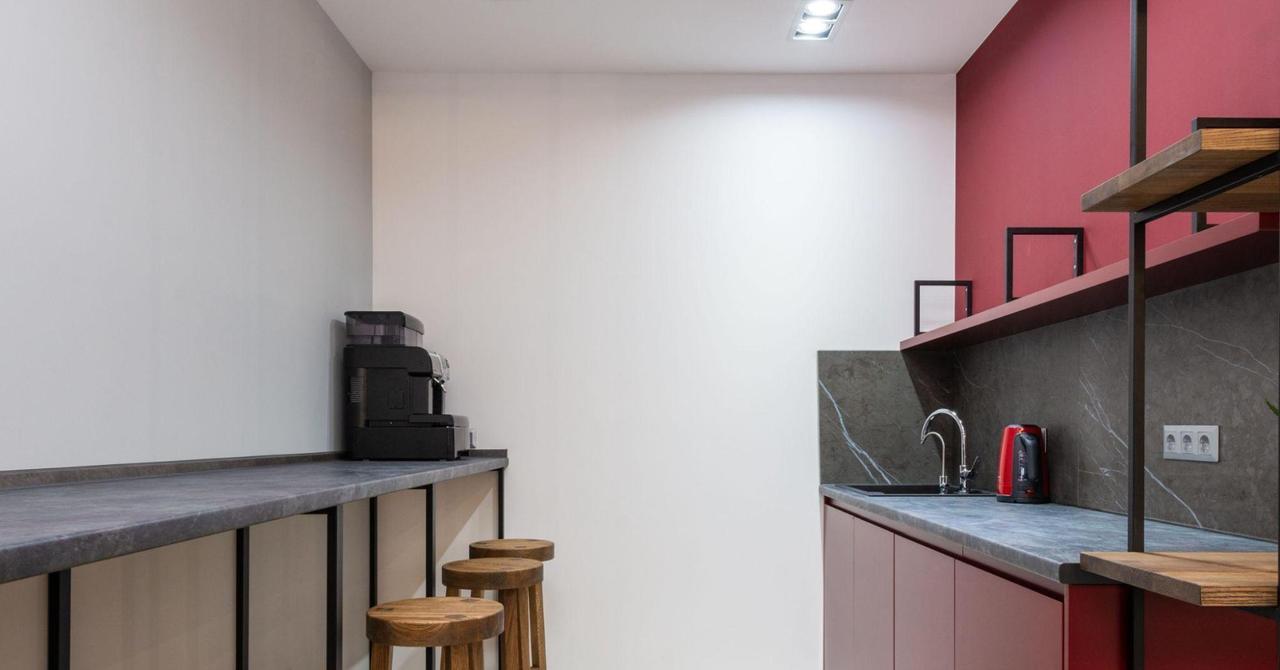
Daily cleaning works best when it follows how people use a building. Food areas and break rooms can get a thorough clean before opening or after closing, with smaller jobs during quieter periods; emptying the bins every few hours is one practical example. That timing can reduce disruption while keeping waste from sitting for too long. Washrooms need attention throughout the day, too: check supplies regularly and replenish toilet paper, hand towels, and soap. Toilets, sinks, floors, and mirrors should be part of the daily clean, with checks between scheduled cleans helping staff catch supply shortages or visible mess early. And this is the part most people overlook: a cleaning routine is also a way to spot when a shared space is being used differently than expected.
Set a deeper-cleaning cycle
Some jobs can happen less often, but “less often” still needs a defined interval. Corridors and stairs may need daily vacuuming and mopping, while a deeper clean could be scheduled weekly or every two weeks, depending on conditions. High surfaces, light fittings, and vents can also go on a weekly rota. If dust and debris build up quickly, shorten that interval; if a task is repeatedly being deferred, the plan may be too ambitious or the assignment unclear.
A deeper clean can address accumulation that a quick daily pass may miss. The practical point is to distinguish visible upkeep from periodic work, then assign both. Otherwise, the daily routine can appear complete while less obvious surfaces continue to collect dust.
Match the schedule to the building
There’s no universal timetable. Foot traffic is a good place to start: a busy office used by staff and customers will usually need more frequent cleaning than a small team’s workspace. The type of business matters as well. Healthcare, food service, childcare, and education facilities may face stricter cleaning standards and regulatory requirements than a typical office, so managers should account for the standards that apply to their own operation rather than assume one office routine will transfer cleanly.
Seasonal conditions can shift the workload. Winter rain and snow bring moisture and dirt indoors, making floors both messier and less safe. In factories and warehouses, frequent oil or grease spills call for regular cleanup to meet health and safety needs. These differences make observation valuable: recurring mess in one area is evidence that the frequency or timing may need adjustment.
Make the plan usable
Build the schedule room by room. List the tasks for each space, state how often they’re due, and leave a place for cleaners to sign off when they’re done. That record makes responsibilities clear and gives you a practical way to see whether the routine is being followed. It can also show where a task is missed repeatedly, pointing to a need for a clearer handoff or a more realistic schedule.
Keep the document simple enough that staff can use it during a shift. If you're working in property management, the useful question is whether the plan reflects actual traffic, supplies and cleaning capacity; a detailed chart that nobody updates won’t answer that. Clear ownership. Then regular review.
What the schedule can tell you
A cleaning plan is more than a list of chores: it’s a basic operating record. Patterns in missed sign-offs, repeated supply gaps or areas that need frequent touch-ups can help managers see where the routine is falling short. That information doesn’t prove why a problem occurred, but it gives the team a concrete place to start when adjusting assignments or timing.
The aim is a schedule that responds to use without making every task an emergency. Daily checks provide a baseline, while deeper cleaning and adjustments for seasonal conditions address needs that vary over time. A plan won’t remove every risk or keep every space spotless. It can make responsibilities visible—and make it easier to notice when the building’s needs have changed.