Joy Supply’s $20,000 Pre-Launch Cookie Sales Put Its Scaling Plans to the Test
Joy Supply’s early traction is striking, but its bigger test is still ahead: turning a fast start into a snack brand that can scale without losing its price appeal or its regenerative sourcing goals. Founder Lindsay Leopold says the crispy oat cookie company made about $20,000 in pre-launch sales during its first month, before launching in May 2026.
Leopold brings more than a decade in food, including restaurant kitchens, food media test kitchens and product development for national brands and meal-kit companies. She says she has developed more than 100 SKUs. That experience gave her a clear view of how products get made—and, she felt, how many new brands were starting to look alike.
Joy Supply uses regeneratively farmed U.S. ingredients, with a straightforward consumer proposition: a nostalgic, home-style cookie that tastes good first. Leopold’s “Trojan horse” idea is to make the sustainability mission part of the product’s supply chain, rather than a message that asks people to think about farming every time they want a snack. Whether that model can support supermarket pricing and larger production runs remains an open question.
This as-told-to story is based on a conversation with Lindsay Leopold, founder of Brooklyn, New York-based crispy oat cookie brand Joy Supply. The company launched in May 2026 and recorded about $20,000 in pre-launch sales in its first month. It is currently sold at Nordstrom’s holiday market, Westside Market, Big Night and select grocery stores in the New York City area. The piece has been edited for length and clarity.
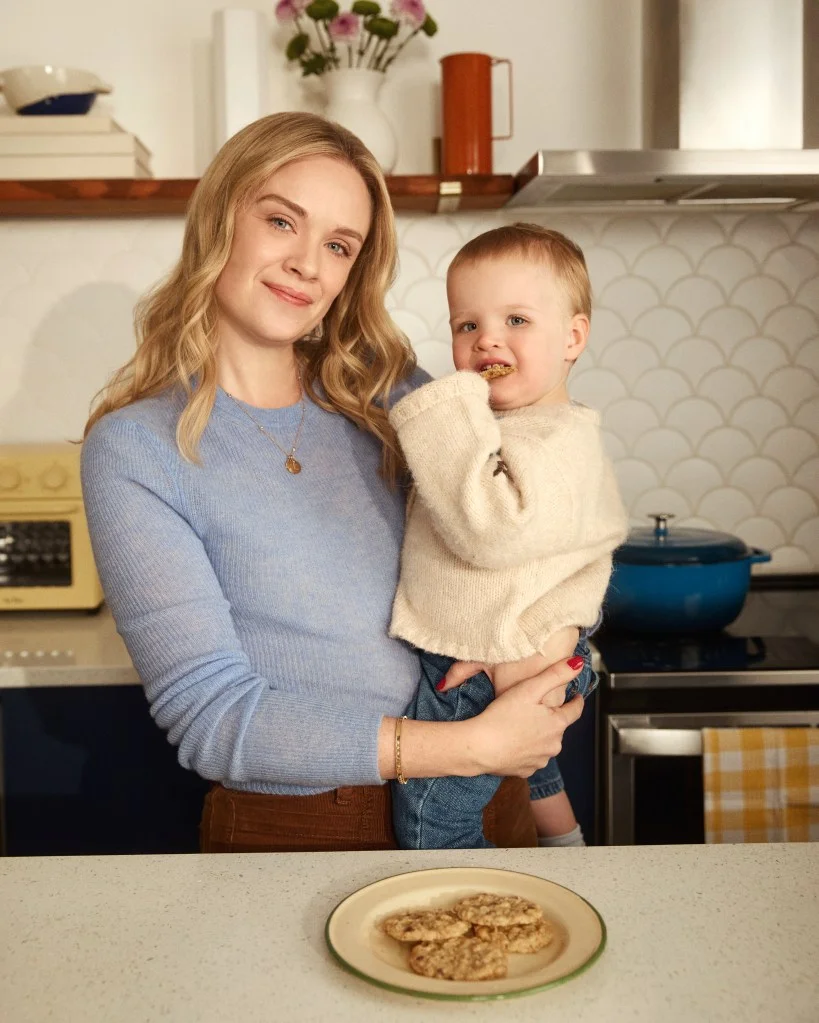
Leopold’s path to the idea ran through both professional experience and a change at home. After leaving Sakara, she was considering work in sustainable agriculture or agricultural technology. Then motherhood changed how she thought about everyday snacks: she no longer had time to make everything herself, and she struggled to find a conventional, nostalgic cookie that wasn’t either highly processed or positioned as a health food.
A friend investing in sustainable agriculture pointed her toward regenerative farming. Leopold saw an opening to connect that interest with a familiar product: sell more cookies, and more acreage could be farmed using regenerative practices. The ambition is clear. The hard part, as her story shows, is making the economics and manufacturing work at a scale grocery chains can support.
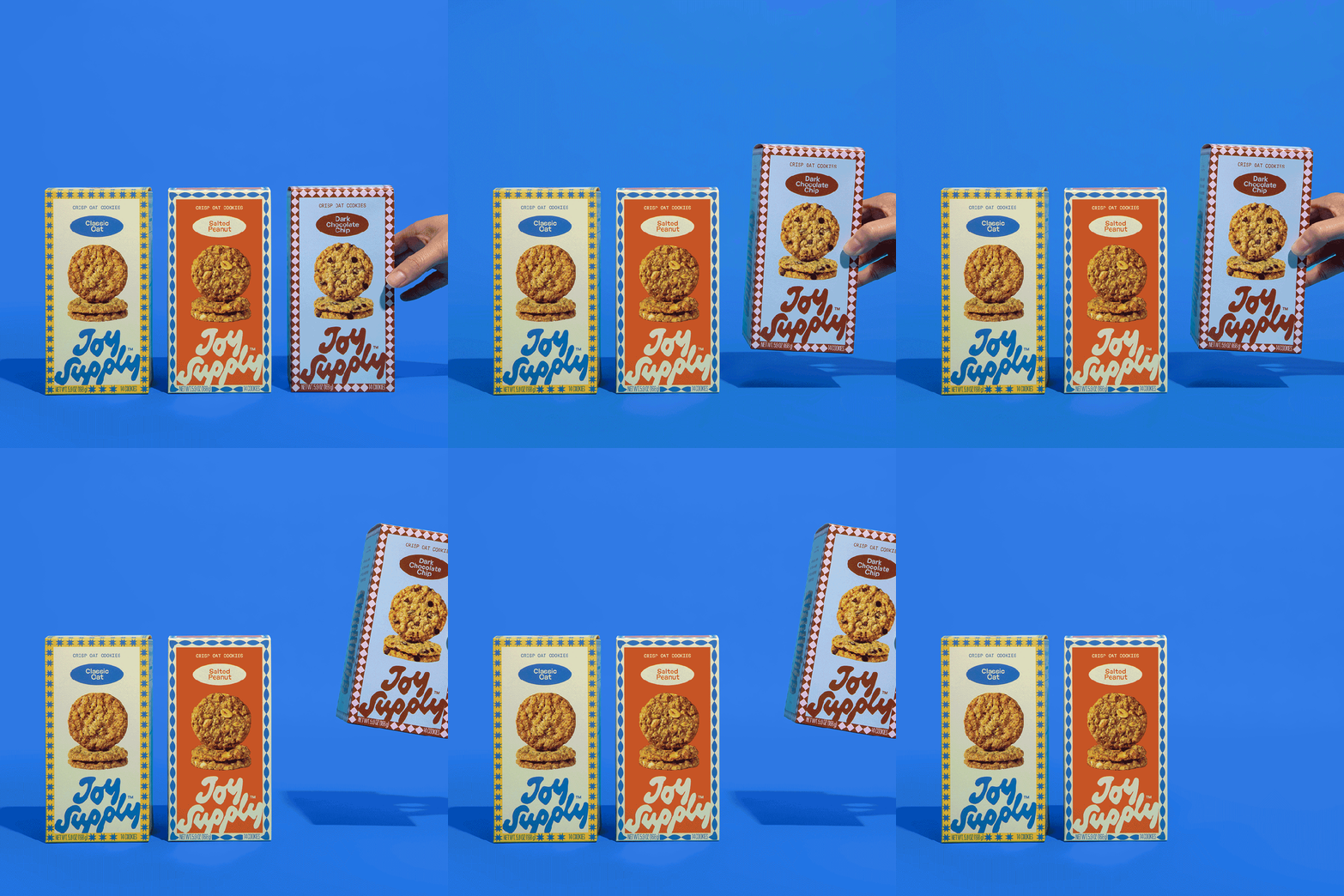
Retail interest came quickly after Joy Supply received a Bon Appétit Pantry Award. The publication highlighted the brand online in June as a favorite new snack; Leopold says that coverage drew attention from a big-box retailer and Nordstrom, and the September award brought more inbound interest. The company is set to launch at Central Market in the first quarter of 2027, giving Leopold a chance to gather data from a traditional supermarket chain.
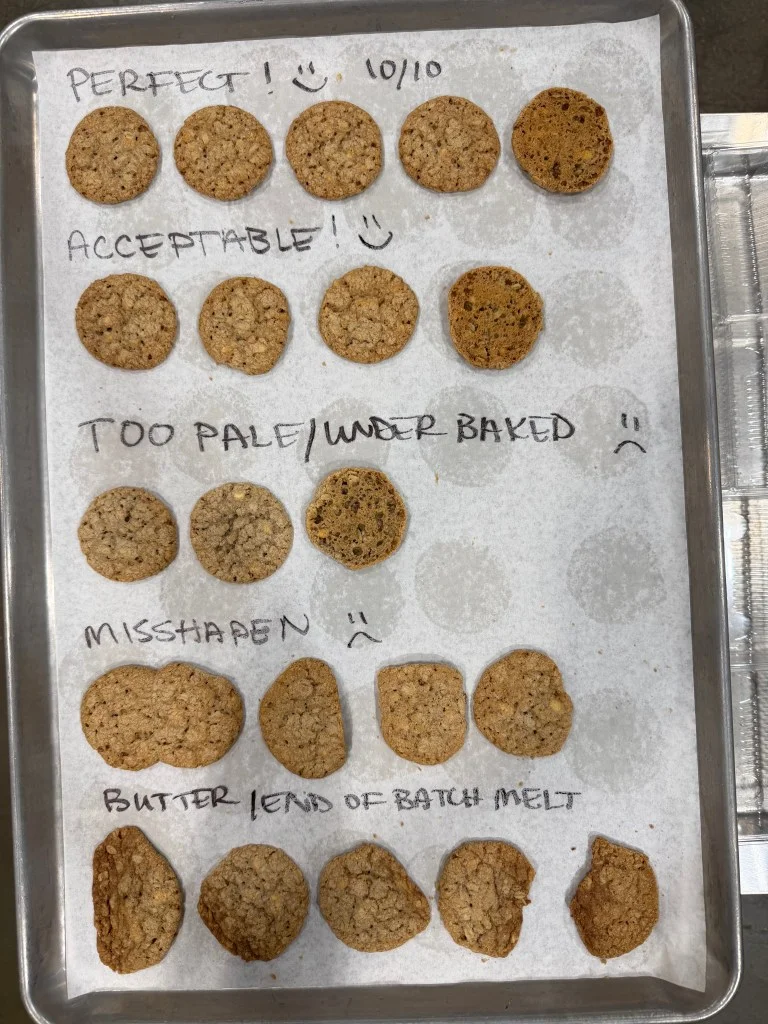
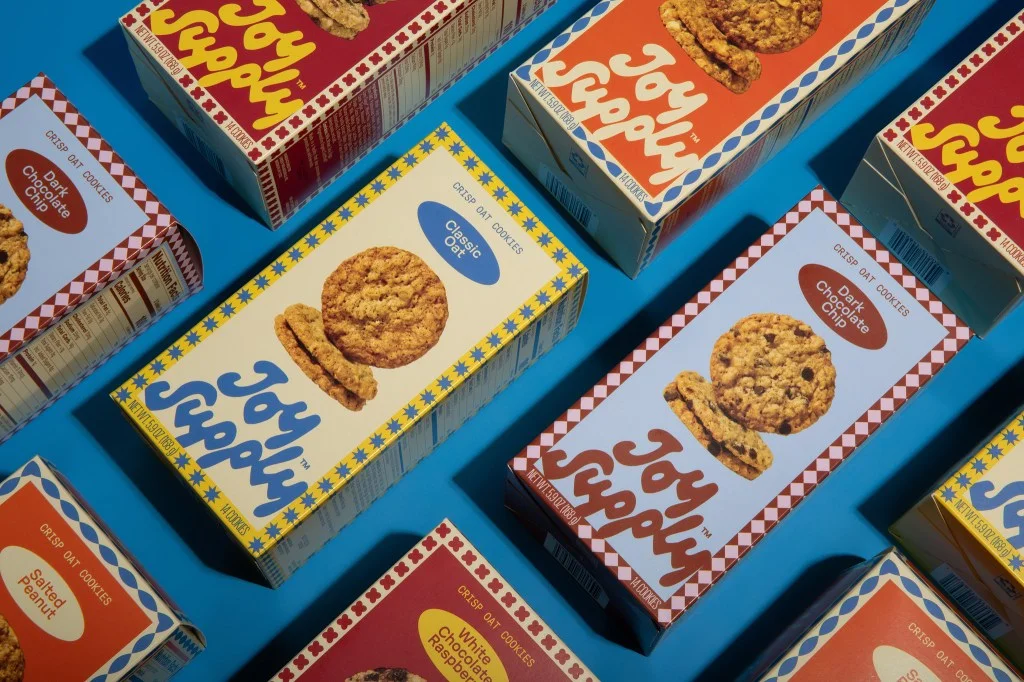
After more than 12 years working across food, Lindsay Leopold has watched ideas move from test kitchens to store shelves. Her experience spans restaurant kitchens in New York, food media, and product development for national brands and meal-kit companies including Home Chef and Sakara Life. She says she has developed more than 100 SKUs, and still finds the work of bringing a product to life rewarding. Her career in food has also given her a clear view of how quickly the category can change.
More founders can now get a food business off the ground, helped by AI and the abundance of online resources. Leopold sees that access as a positive, but says it has also contributed to products that feel increasingly alike. The number of brands may be growing, yet sheer choice doesn’t guarantee distinction. That’s the tension: easier entry can widen opportunity while making a genuinely memorable product harder to find. Her concern about sameness across food brands is a reminder that launching more products is easier than giving people a reason to choose one.