Instagram Appeal Rejected in Minutes? Read the Notice First
A rejection that lands a few minutes after you submit an appeal feels final. It's easy to read the speed as proof that nobody looked at your case. That reading is usually wrong, and it can cost you the account.
Start With What Instagram Actually Sent
A failed login is not the same thing as a rejected appeal. Those two problems call for different responses, and treating them as one is where many people lose time.
Instagram can limit access to specific features, disable an account outright, or restrict it because of a security or policy concern. A hacked account is a separate case, especially if someone has changed the email address, password or recovery details.
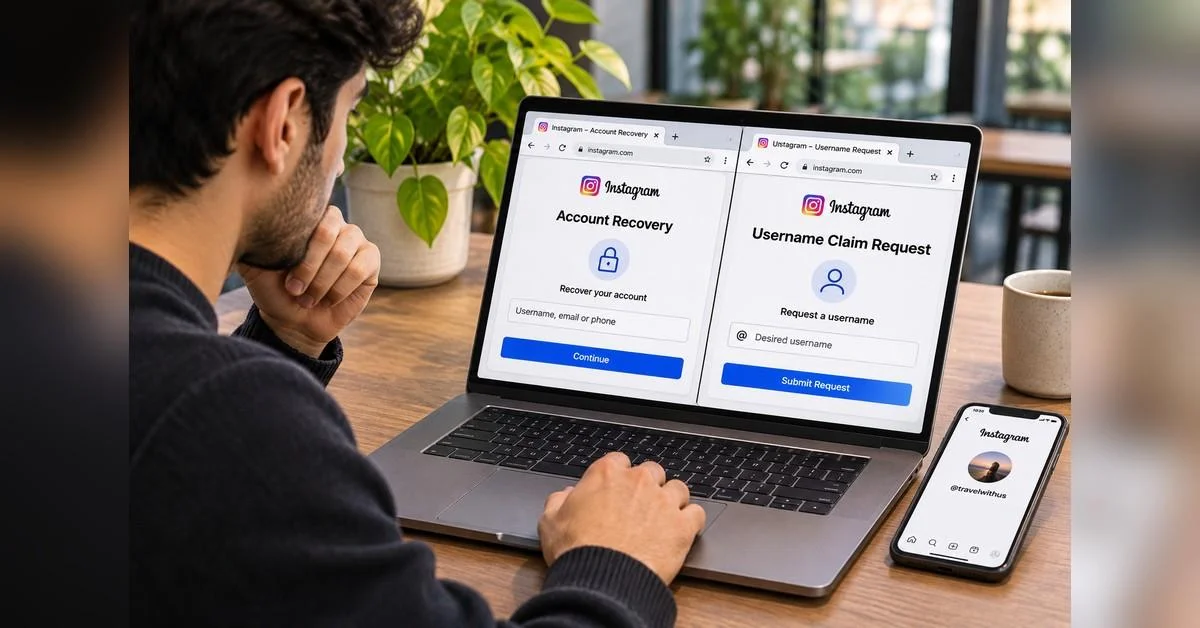
That distinction matters more than it looks. You may have a restriction, where you can still log in but can't use certain features. A disabled account follows a different recovery path. If your login stops working after suspicious activity, account security comes first, before any appeal.
A Fast Decision Isn't a Diagnosis
You can't work out the reason for a rejection from how quickly it arrived. Assuming the review was skipped is a dead end, and it can lead you to dispute a decision you haven't actually understood.
Focus on the notice itself. What does it say Instagram is flagging? Does it name a category of concern? Are any review or recovery options listed? Those details tell you far more than the timestamp.
Why Appeals Get Turned Down
There's rarely one explanation. An appeal can fail for several reasons, including:
Actions that Instagram has identified as violating its guidelines or security measures.
Content or behavior that conflicts with a specific policy concern.
A sudden change in location or login details that raises security questions.
Doubt about impersonation, which can prompt action on the account.
Incomplete information in the recovery or appeal form.
Details that don't match the account's history.
A rejection doesn't say which of these applies to you. Build your next step on what the notice actually contains, not on a guess about what triggered it.
Repeated Appeals Can Work Against You
The instinct after a denial is to resubmit right away, then again. That usually doesn't help. Each submission that offers a different explanation or a different version of events makes the case harder to follow.
Ownership is the other problem. If you can't show that you control the account, changing your story in each attempt can backfire. Accuracy serves you better than trying to match what you think Instagram wants to hear.
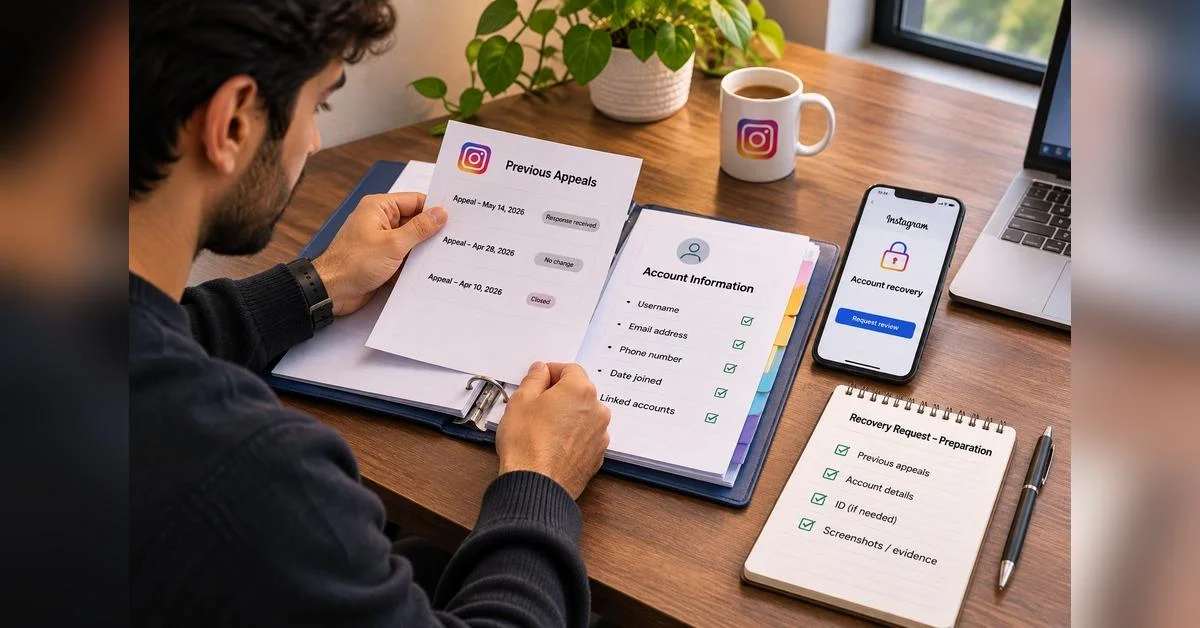
Gather Your Records Before Trying Again
Once you have a rejection, save a screenshot of the notice before it disappears, and reread it slowly. Then work backward. What changed just before you lost access? What did you submit in the first appeal?
Next, pin down the status. Is the account restricted, disabled, or flagged for a security problem? Only after you've answered that should you look at which recovery options are available.
Keep the following on hand, since it makes any follow-up easier to explain:
Usernames
Previous passwords
Recovery information
Rejection notices
When the built-in routes are exhausted and the problem is complicated, outside account recovery services are one option. Many describe a manual review and escalation process for hacked, disabled, or locked-out accounts. Treat any such service as a way to present your case more clearly, not as a guarantee.
What Outside Help Can and Can't Do
Hiring help doesn't mean anyone can override Instagram's decision. No recovery provider can bypass Instagram's security, and no appeal is guaranteed to succeed.
Be wary of anyone who promises a fast recovery in exchange for your password or verification codes. Handing those over can make the account easier to compromise. Even while you're working with a helper, protect whatever access you still have.
If the account belongs to a business, a creator, or years of personal content, paperwork carries weight. Keep rejection notices, earlier appeals, account details and a clear timeline of events. You may have to repeat that history more than once, and having it ready makes that far less painful.